Rosewell kirk
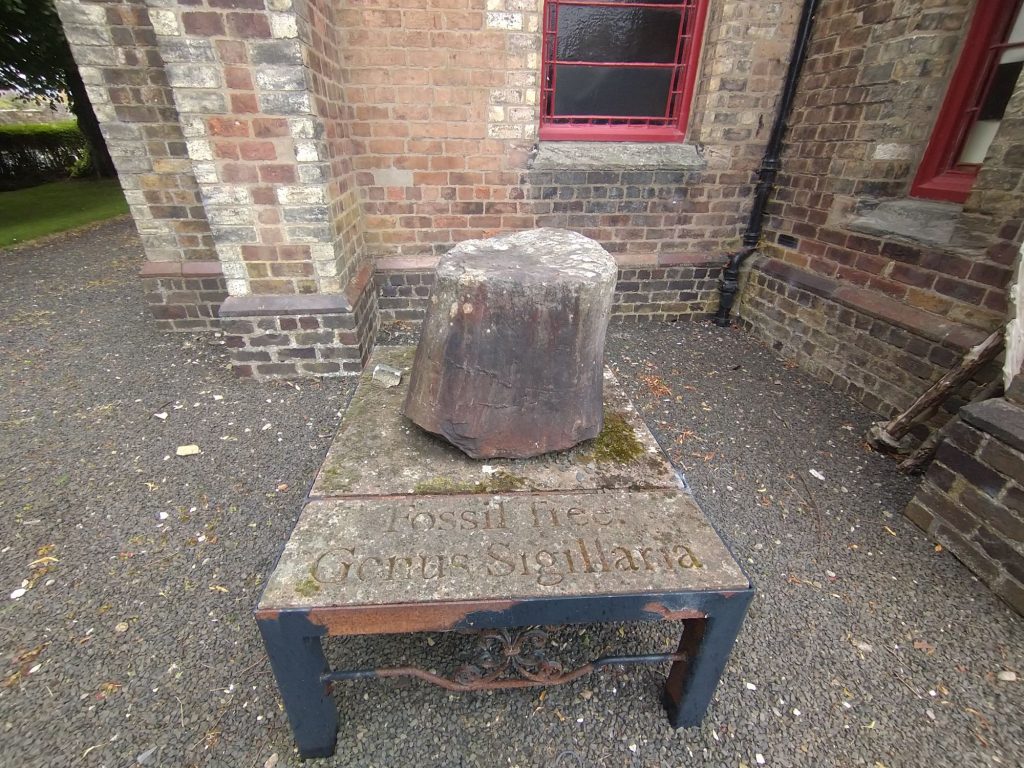
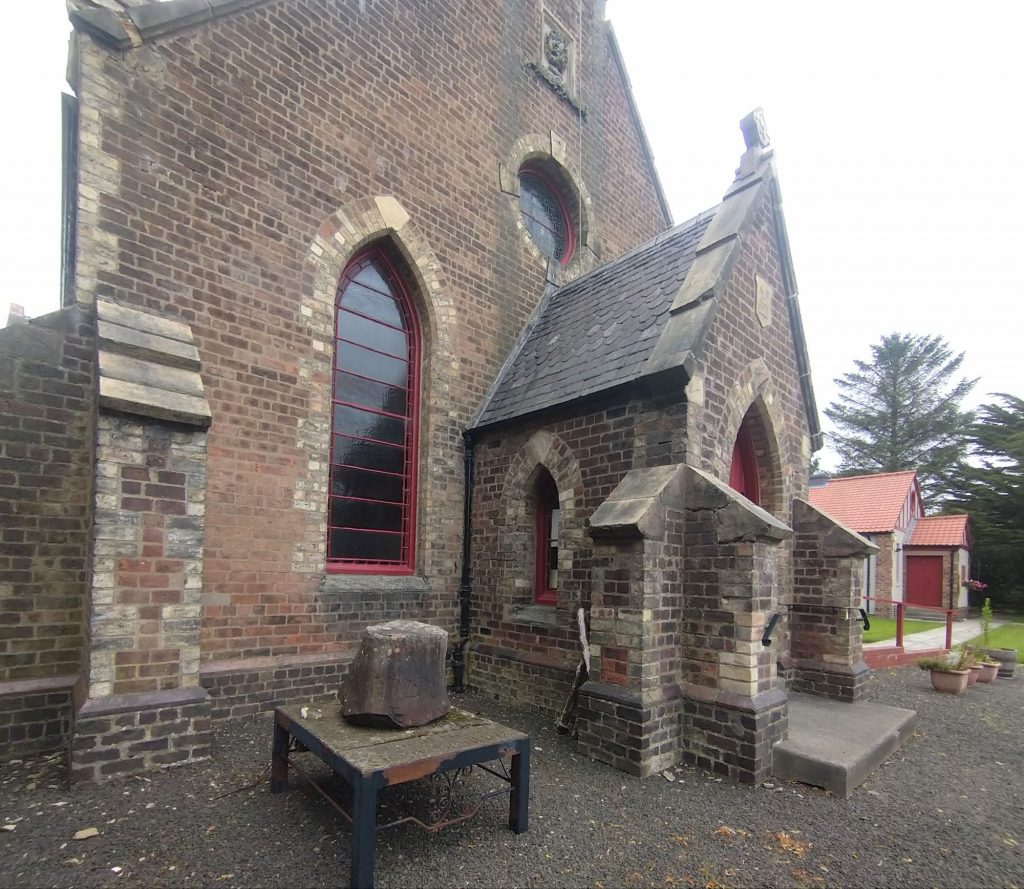
Archibald Hood lived near Whitehill Colliery in Roseburn House. Built ca 1840, presumably for the factor, it remained his home after he acquired the lease of the mine. Among his social projects was the construction of a kirk. Unremarkable architecturally, this 1871 brick church has a lovely section of fossilised tree by the porch. The only relic of Rosewell’s mining past that I found!
Archibald Hood’s housing
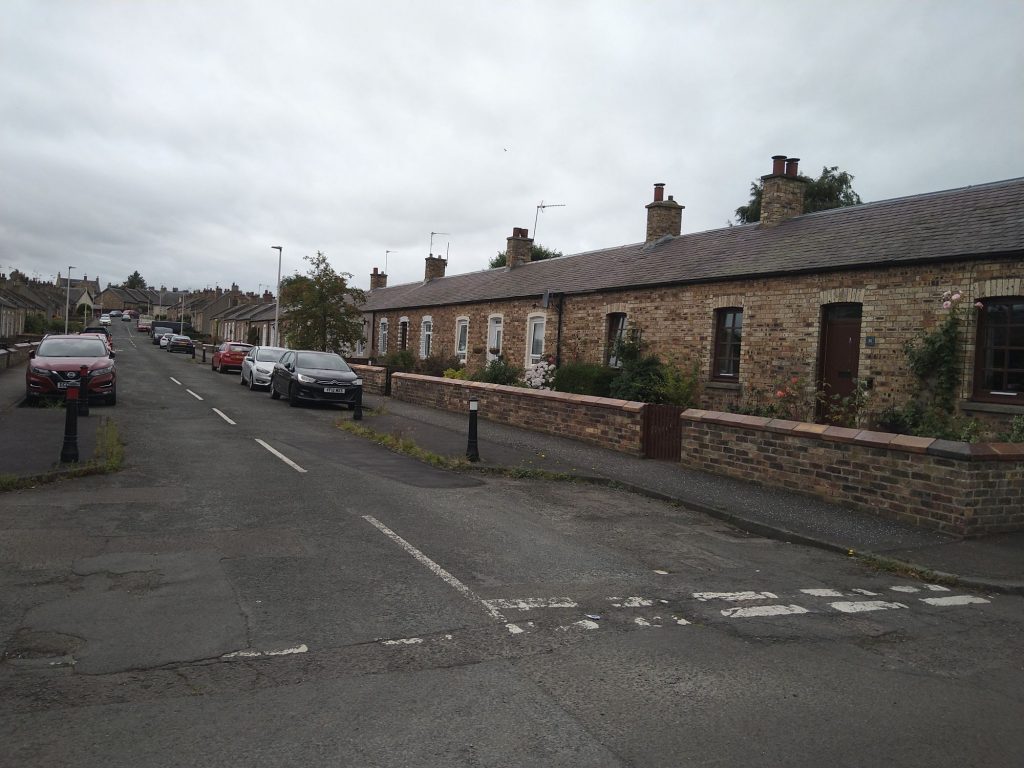
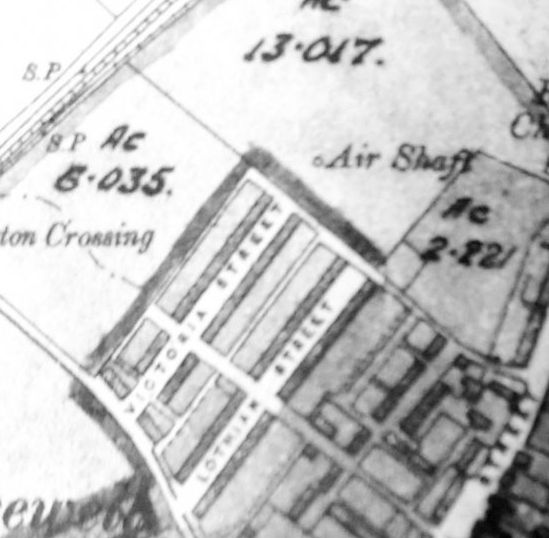
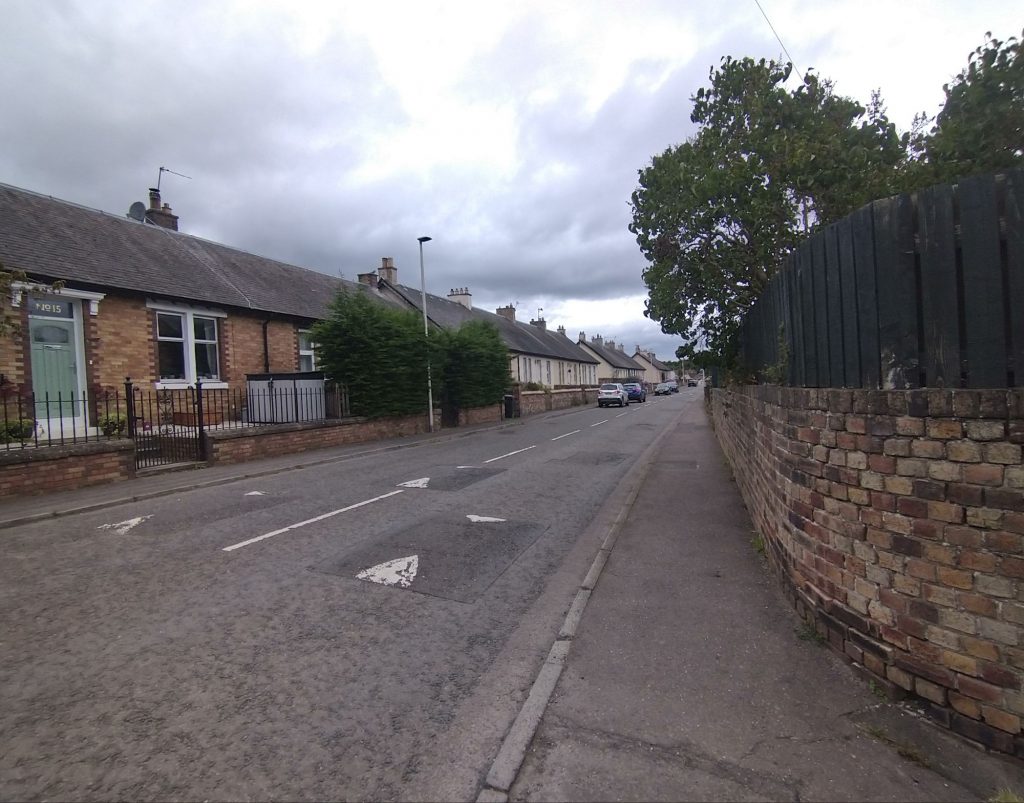
Hood took over the lease of the Whitehill Collieries from Robert Wardlaw Ramsay in 1856. He had great ambitions and in 1890 formed the Lothian Coal Co. That year, he began to sink the Lady Victoria pit, which is now the Scottish Mining Museum. That neatly dates the rows of housing that he built, north of the existing homes, and named Lothian Street and Victoria Street.
Clearly named on the 1915 OS map
Housing for Italian coal miners
So, where did these immigrant families live? We know that Robert Wardlaw Ramsay built houses for them in Rosewell. Louisa Square is named for his wife, indicating that this was part of the first housing development. The square is clearly marked on the 1915 OS map, but the space was subsequently filled with more rows of housing. Next to the square is a fine drying green surrounded by cottages, also part of the first 1840s development. A row of cottages runs along Carnegie Street to the Catholic Chapel, and may be contemporary with Louisa Square. The darker section of the map shows the earlier housing that was built when Robert Wardlaw Ramsay was the owner. When Louisa gave birth to a son in January 1852, the mining families joined in the rejoicing: they were treated to a great dinner outdoors, with roast meat, a brass band, and fireworks.
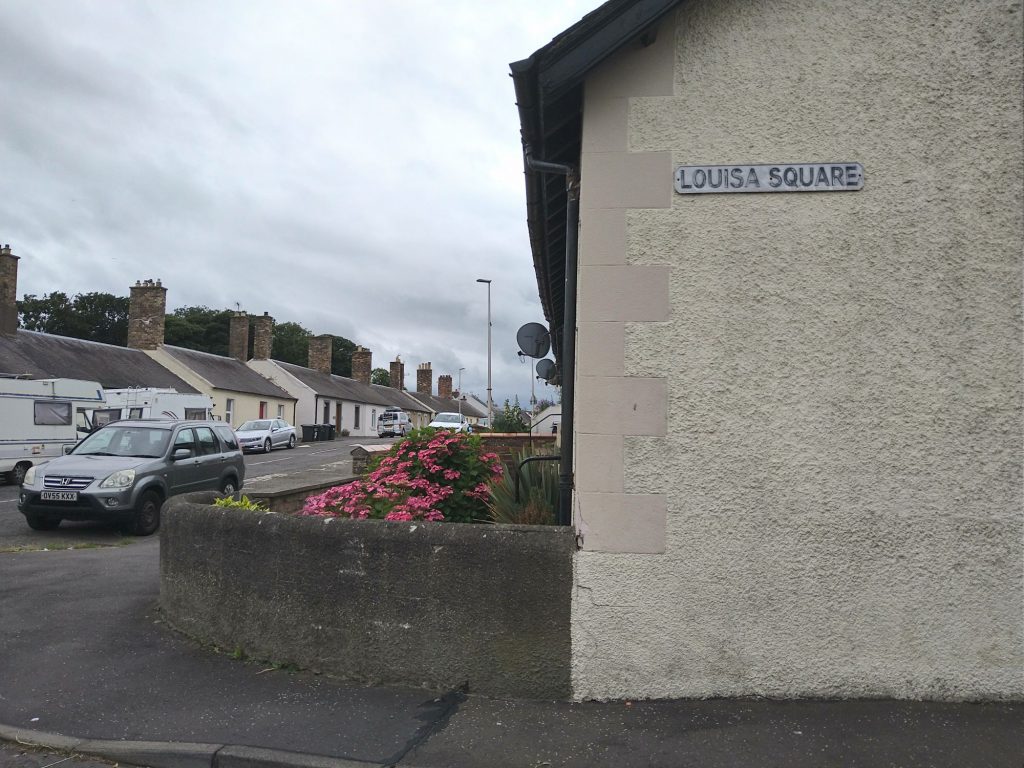
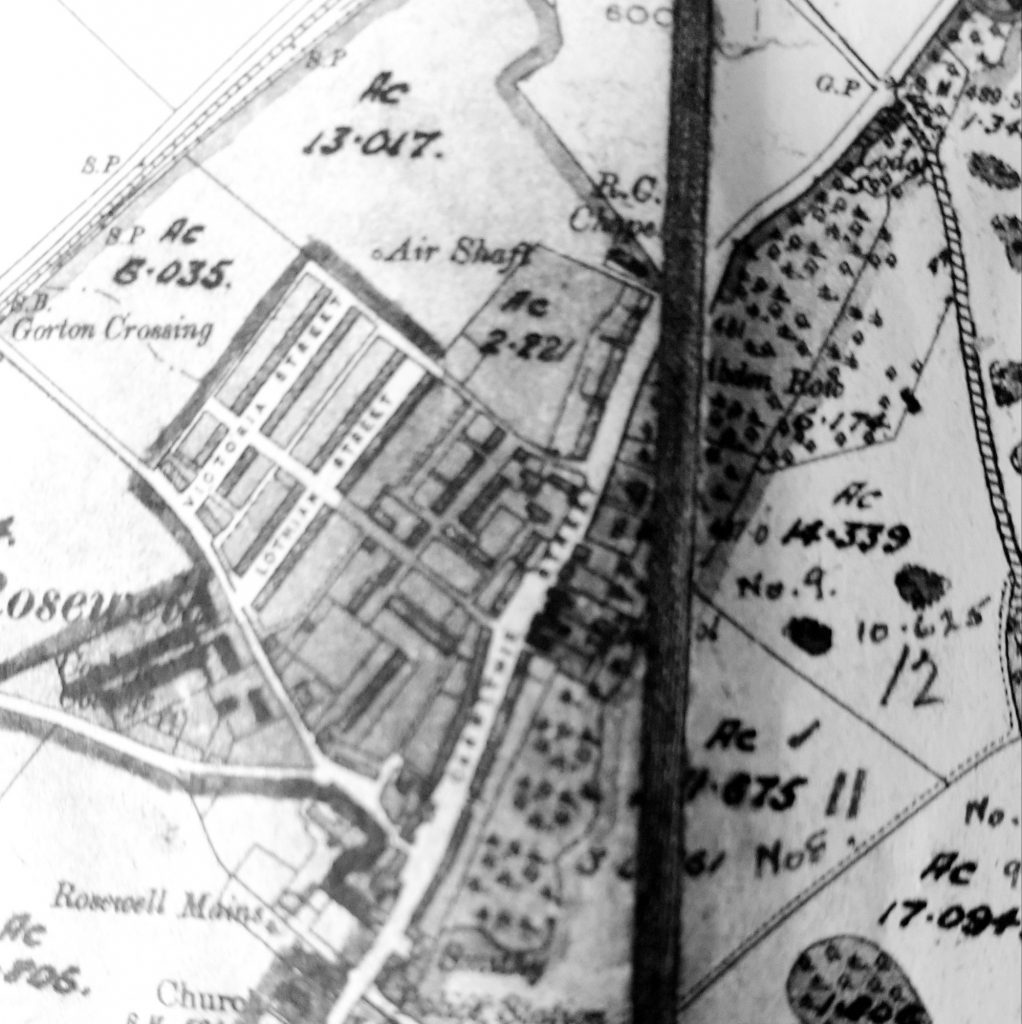
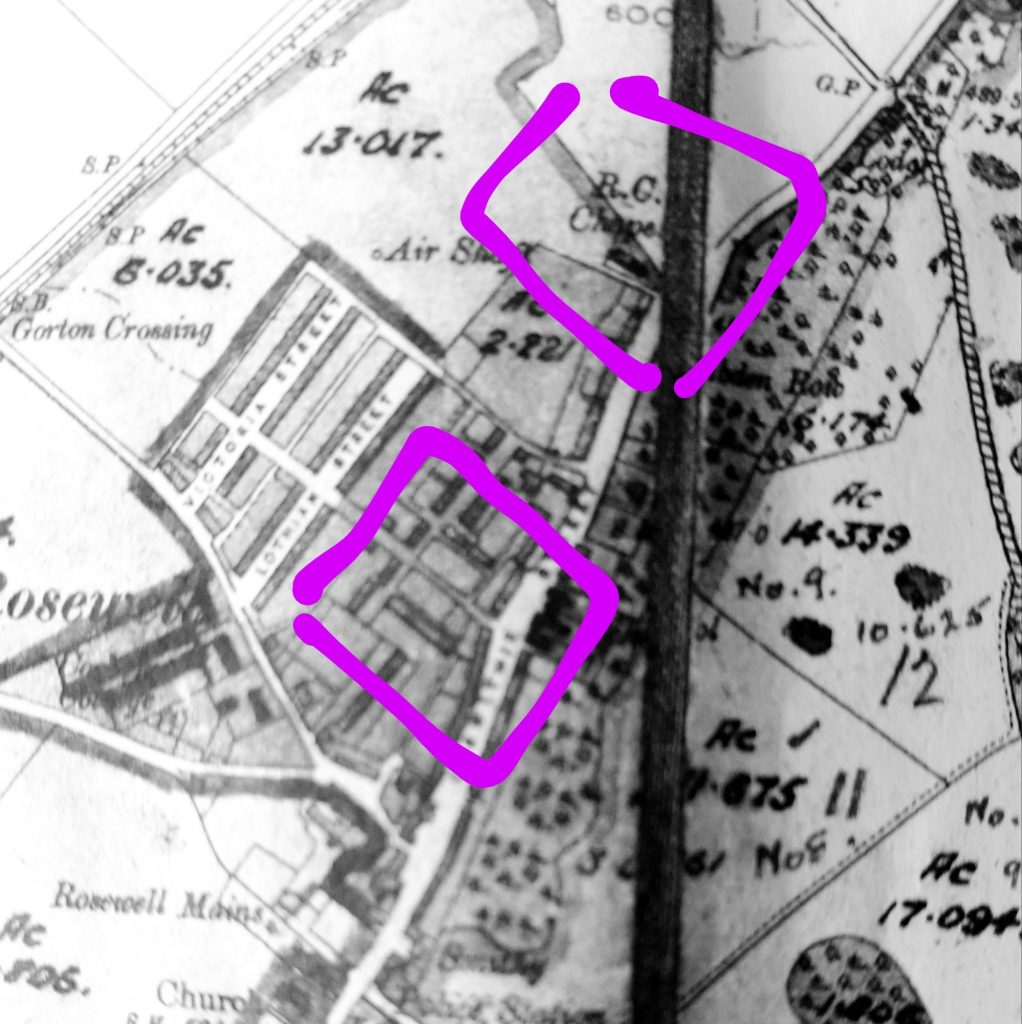
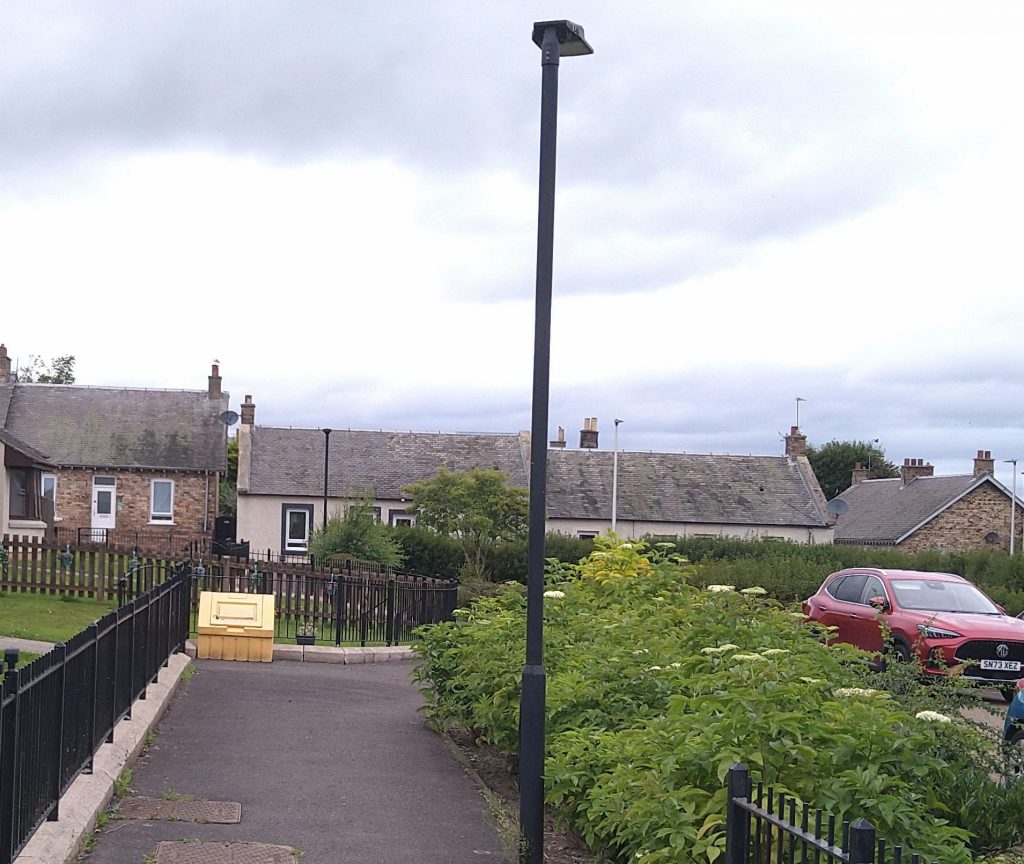
The earliest housing is obscured by later insertions, but can be deduced by checking the older map. See the air shaft marked near the chapel? The galleries run right under the village!
The Whitehill Collieries
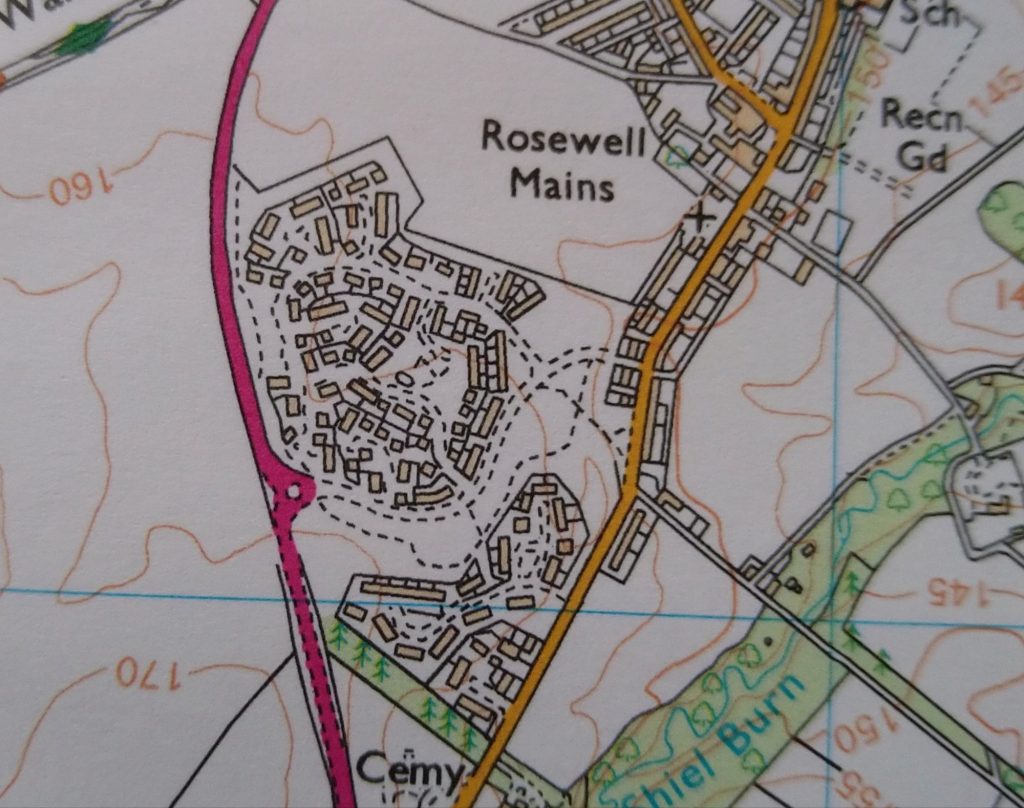
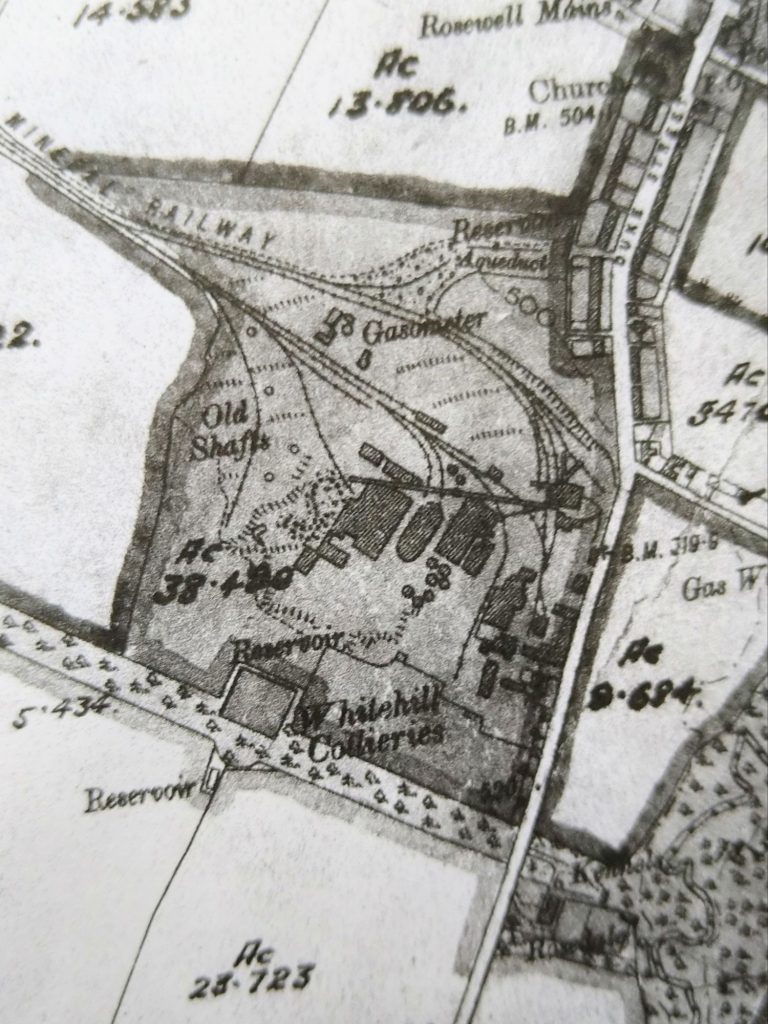
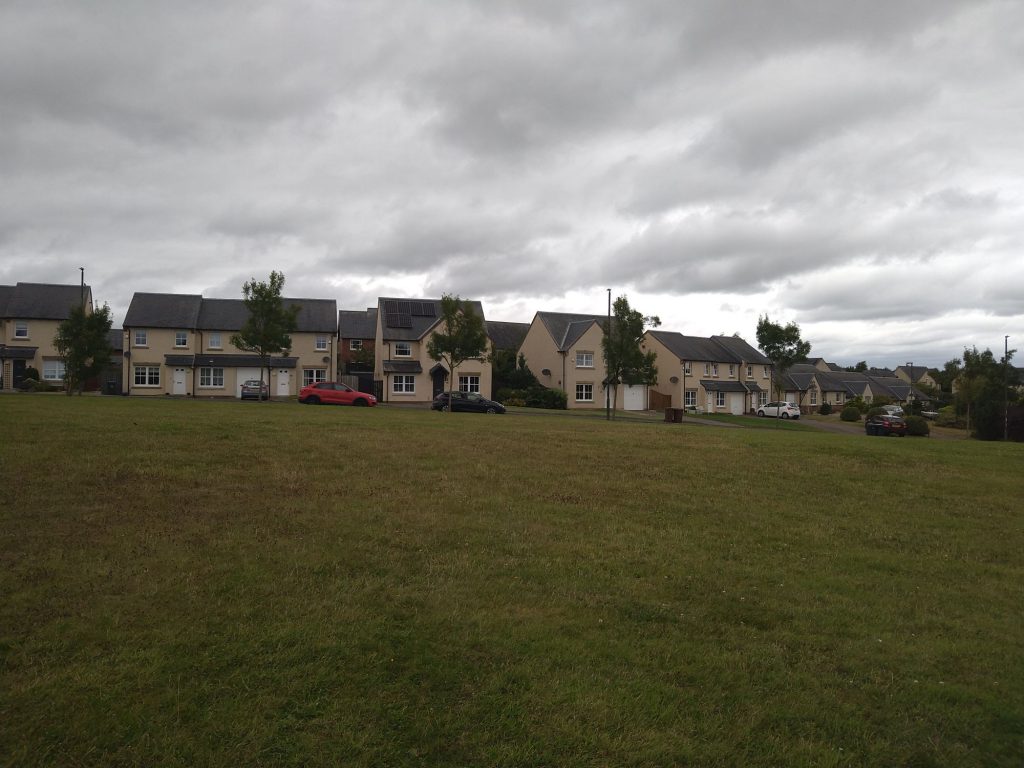
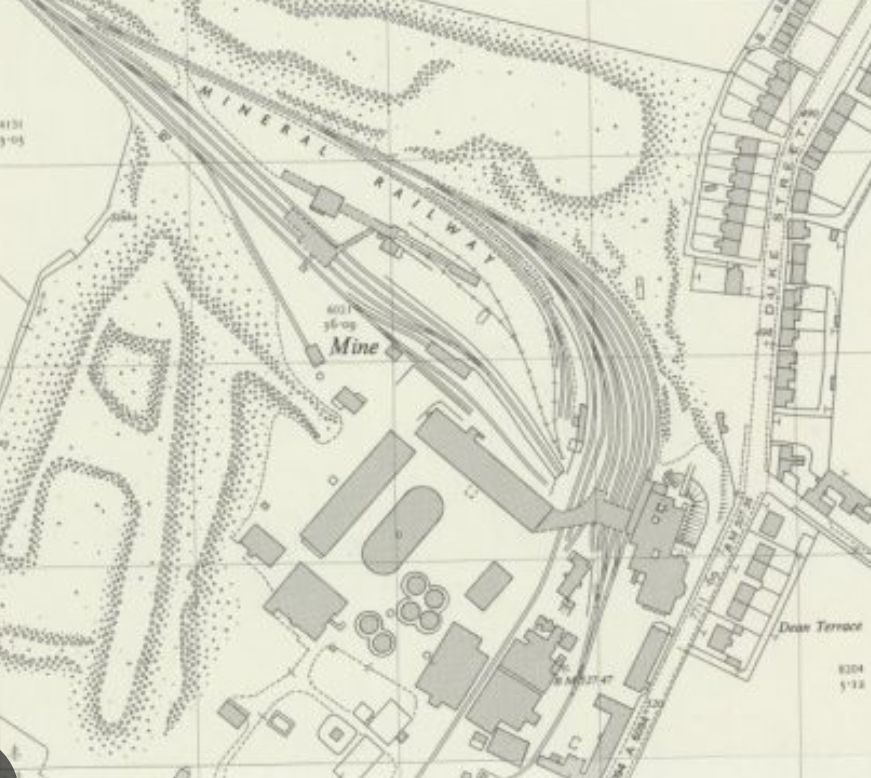
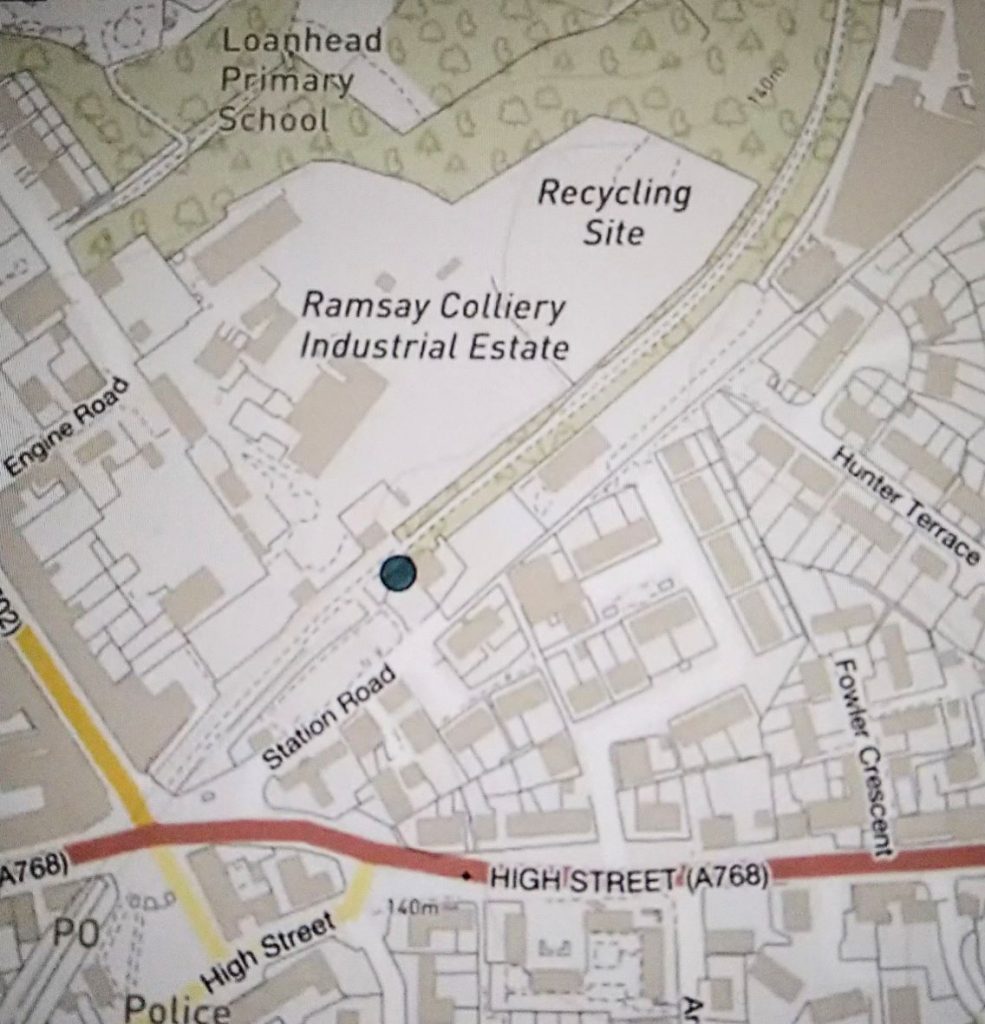
Curious to see what’s left of this huge colliery complex, I wandered around the new houses that have been built over it. Nothing to see, unless it’s a ring road that’s been named Lindsay Circus, which is baffling, as there’s no connection. Anyway, comparing the 1915 0S map with the latest one, it’s clear that the housing areas avoid the more recent pits. In fact, that area is grassed over and very lumpy underfoot. The old shafts have not been built over either. Sad, really, that there’s nothing left to indicate this was a very important colliery.
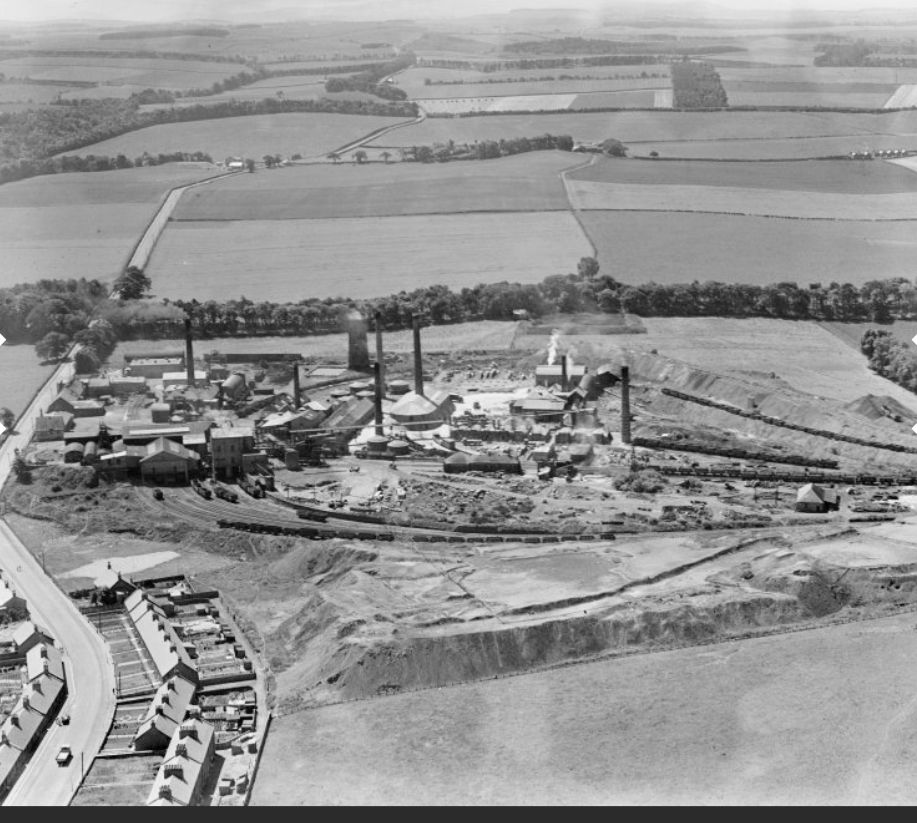
Sid Chaplin
Has written an evocative account of Whitehill Colliery. It also offers a glimpse of mining conditions when the mine was owned by Ramsays. http://www.scottishmining.co.uk/504.html
About Whitehill and the Quests
The industrial history of East Lothian and Clackmannanshire is marked by historical events and individual decisions. The Wardlaw Ramsay papers chart the progress of a local family from the 17th to 20th century and provide insights into the difficulties and solutions that accompanied the development of industry and coal mining in these regions and around Edinburgh.
Personal ambitions were defined by the opportunities that presented in each generation – a baronetage, a seat in Parliament, a lucrative position, an inheritance, a marriage, an opportunity to serve in the East India Company, or the army.
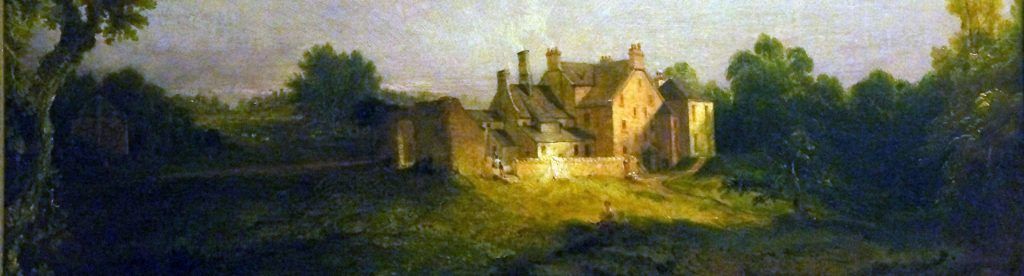
The Ramsay family’s’ association with Whitehill dates back to the middle ages, when part of the Dalhousie estates. However, our story begins when the advocate James Ramsay acquired the towerhouse as a suitable base for his new status as 1st Baronet of Whitehill. The original building was given a Georgian front, which was extended, and survived to the 19th century. Successive generations invested in salt-pans, potteries, agriculture, and mines. Younger brothers, wives and in-laws would help manage these concerns; sons were sent to Holland to learn business skills. The Whitehill estate was protected by entail, so could not be sold.
By the 19th century, coal mining had become the dominant industrial concern; the family built a village and church for Italian miners in Rosewell. The house at Whitehill was rebuilt in the 1840s, in lavish Renaissance style.
The coal brought astonishing wealth to a family whose members were enthusiastic supporters of the Temperance Society and showed a lively interest in the arts, and attended the Charlotte Chapel. Whitehill house was filled with Italian art.
However, the price of coal collapsed in the 1850s, and Robert Balfour Wardlaw Ramsay narrowly avoided bankruptcy by selling his coal mines and every painting of note. The family went to live in Paris for a couple of years, before returning to Whitehill. The house was then let to a succession of tenants (to W. Wieland, Secretary of the North British Railway in 1887) and the family simply moved around the United Kingdom, renting houses in different places to raise the growing children in. They used Whitehill for family events, notably marriages.
The last farms were sold in the 1920s, by which time entail could no longer be enforced in law; the last male family member developed a keen interest in genealogy and made sure the Wardlaw Ramsay archive was donated to the Scottish National Archives.
Arthur Wardlaw Ramsay also preserved the family portraits. These are presented in chapters, or Quests, with objects that belonged to each individual, such as sketch books, albums, memoirs, dressing table sets, miniatures, maps, etc. and accompanied by thematic narratives, constituting an engaging and informative historical resource. The Blog (no 9) features insights relating to site visits, portraits and archival research.
This project aims to distil information contained in the Wardlaw Ramsay archive with a view to creating an accessible account of the early industrial development of the landscape around Edinburgh. We invite contributions relating to the former Whitehill estate, from local historians, and residents with an interest in the industrial archaeology of the area.
Ramsay Colliery in Lonehead